Hodgkin's Lymphoma
The Lymphatic System
What is Lymphoma?
Lymphatic System
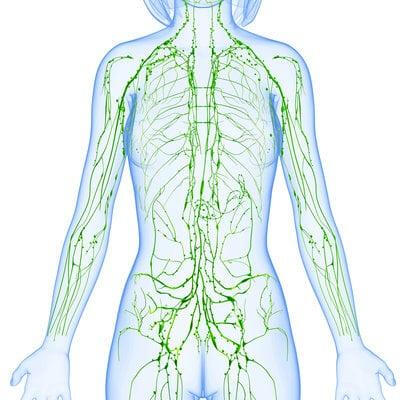
- The lymphatic system consists of: a large network of lymphatic vessels, lymph nodes, lymphatic/lymphoid organs (the thymus, bone marrow, the spleen, tonsils & adenoid, and the appendix), and lymphoid tissues.
- The lymphatic system works complementary to and supports the blood (circulatory) system.
- It maintains fluid levels in our body tissues by removing all fluids that leak out of our blood vessels.
- The lymphatic system is important for the optimal functioning of our general and specific immune responses.
- The lymph system is made up mainly of cells called lymphocytes, a type of white blood cell. There are 2 main types of lymphocytes:
**B lymphocytes (B cells): B cells make proteins called antibodies to help protect the body from germs (bacteria and viruses).
**T lymphocytes (T cells): There are many types of T cells. Some T cells destroy germs or abnormal cells in the body. Other T cells help boost or slow the activity of other immune system cells.
Lymphoma
- Lymphoma is a type of cancer that affects the lymphatic system (immune system).
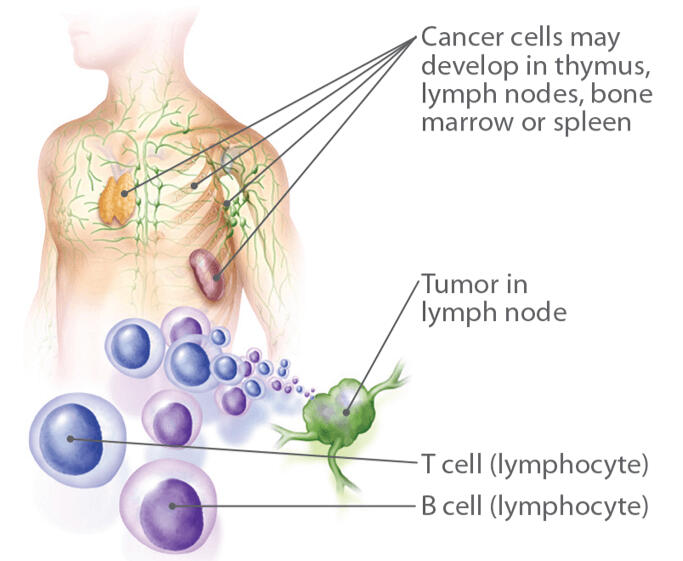
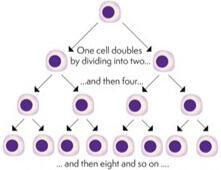
- Lymphoma begins in white blood cells. It develops when there is a genetic mutation in lymphocytes, a type of white blood cell. The abnormal cell replicates faster than, or live longer than, a normal lymphocyte.
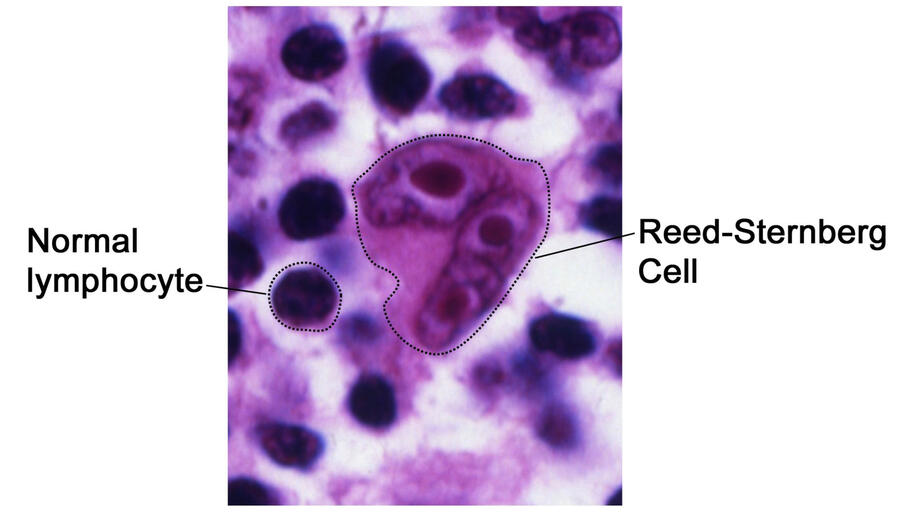
- Lymphoma is the most common type of blood cancer.
- Lymphoma spreads by traveling through lymph vessels throughout the body. It can go to basically any area of the body because lymph tissue is prevalent throughout the body.
- There are more than 70 types of lymphoma.
Vocabulary
- Lymph nodes
Lymph nodes are bean-sized collections of lymphocytes and other immune system cells. They're found throughout the body, including inside the chest, abdomen (belly), and pelvis. They're connected to each other by a system of lymphatic vessels.
- Lymph vessels
A network of tiny tubes (a lot like blood vessels) that connect lymph nodes and carry immune cells in a clear fluid called lymph. Lymph is collected from around the body and put into the bloodstream.
- Spleen
The spleen is an organ that's under the lower ribs on your left side. The spleen is part of your immune system. It makes lymphocytes and other immune system cells. It also stores healthy blood cells and filters out damaged blood cells, bacteria, and cell waste.
- Bone marrow
The bone marrow is the liquid, spongy tissue inside certain bones. New blood cells (including some lymphocytes) are made there.
- Thymus
The thymus is a small organ behind the upper part of the breastbone and in front of the heart. It's important for T lymphocyte development.
- Adenoids and tonsils
These are collections of lymph tissue in the back of your throat. They help make antibodies against germs that are breathed in or swallowed.
- Digestive tract
The stomach, intestines, and many other organs also have lymph tissue.
Types of Lymphoma
Non-Hodgkin's Lymphoma (NHL)
- NHL is a general category of lymphoma. Most cases arise from B lymphocytes, but some arise from T lymphocytes.
Hodgkin's Lymphoma (HL)
- HL generally begins in B lymphocytes.
- HL most often spreads through the lymph vessels from lymph node to lymph node. Rarely, late in the disease, it can invade the bloodstream and spread to other parts of the body.
**Classic HL accounts for 9 in 10 cases of HL
****Nodular sclerosis HL (NSCHL)
****Mixed cellularity HL (MCCHL)
****Lymphocyte-rich HL
****Lymphocyte-depleted HL
**Nodular lymphocyte-predominant HL
Hodgkin's Lymphoma
Risk factors
- Research into causes of HL is lacking. Risk factors include normal risk factors of any disease.
- A weakened immune system increases risk of HL.
- Infectious Mononucleosis (Mono) has been linked to an increased chance of HL. However, it's only 1 in 1000 cases.
**Mono is caused by Epstein-Barr virus (EBV)
- Many people who get HL have few or no known risk factors.
demographics & family history
- HL generally happens in early adulthood (the 20s) or late adulthood (55+).
- HL happens slightly more in males (amab) than females (afab).
- HL generally does NOT have a strong family tie.
**An identical twin has a very high risk of getting HL.
**Siblings have a higher risk of getting HL.
**The familial link is thought to be due to environmental factors rather than genetics.
signs and symptoms
- lumps under the skin
**The most common symptom of HL is a lump in the neck, under the arm, or in the groin, which is an enlarged lymph node.
**The lump might get bigger over time, or new lumps might appear near it or even in other parts of the body.
**HL is not the most common cause of lymph node swelling - infection is.
- B symptoms
**fever (that can come and go) without infection
**night sweats
**weight loss without trying (at least 10% body weight over 6 months)
- General, Nonspecific Symptoms:
**itching skin
**fatigue
**loss of appetite
**coughing
**trouble breathing